Design a High-Performance Home Theater Room on Any Budget
AI-generated, human-reviewed.
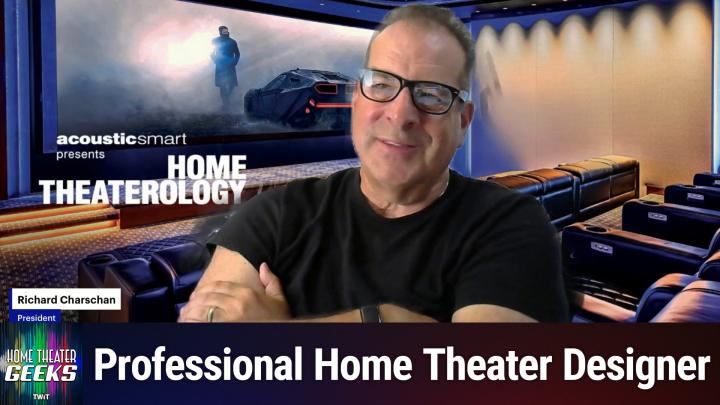
The main insight from this episode is that home theater excellence is possible for all budgets, provided you focus on smart acoustics and thoughtful design. On Home Theater Geeks, expert guest Richard Charscan emphasized that your room’s setup, acoustic treatment, and layout matter much more than raw equipment spend, and shared practical steps for both lavish builds and budget conversions.
Why Acoustics Matter Most in Home Theater
The conversation focused on the foundational role of acoustics in delivering an immersive, cinematic experience. Many people think only about speakers and screens, but poor room acoustics can undermine even the priciest setups. According to insights from Charschan, every room acts as an instrument: its size, shape, wall materials, and layout fundamentally shape the sound you hear. Treating and tuning the room is crucial for clarity, dynamics, and immersive surround effects.
Key methods include:
- Addressing first reflection points: Strategic placement of acoustic panels on walls and ceilings to reduce sound bouncing and distortion.
- Baffle wall treatment: Enhancing the front wall’s absorption for clearer audio.
- Room isolation: Blocking external noise and internal distractions for a pure experience.
One client with partial hearing loss was brought to tears when, after room treatment, she could enjoy dialogue clarity without reading lips! A dramatic impact on accessibility.
How to Maximize Your Budget for Home Theater
A key theme that emerged was value engineering: custom-tailoring a solution to every client’s needs and wallet.
Several points were raised, including:
- Start with your want-list: List every possible feature or effect you’re aiming for.
- Prioritize essentials first: If budget is limited, prioritize acoustics over aesthetics or high-end gear.
- Smart upgrades on a budget: For tight budgets, focus on key acoustic zones (front wall, ceiling, first reflections), use less expensive seating, and paint the room a dark color for visual focus.
- Art and aesthetics can be functional: Acoustic panels can double as custom-printed artwork, fully integrating audio performance into your décor.
Retrofitting Existing Spaces vs. New Builds
The discussion explored the challenges and solutions for turning existing spaces, like a garage or basement, into dedicated home theaters:
- Retrofitting is possible: Even awkward, non-square rooms can be handled with clever treatment and layout rethinking.
- Structural obstacles can be solved: Issues like sloped floors, obstructive poles, or in-room electrical boxes can be engineered around.
- Avoid over-deadening: Maintaining a lively, natural sound is just as important as reducing echoes.
Best Practices for Layout and Seating
Several practical tips were stated:
- Avoid placing seats right against the back wall; this affects the surround effect and overall immersion.
- Optimize for sight lines and entryways. The best home theaters mimic commercial cinemas. Enter alongside seating, not down the middle, ensuring every seat is optimal.
- Don’t over-stuff a room; every seat should offer a premium experience, not just the middle.
Theaterology
- Acoustics and room treatment should be your first investment (even before premium gear).
- Customized design beats one-size-fits-all approaches: Pros ask questions about audience size, intended use, and style.
- Retrofits can rival new construction if thoughtfully executed.
- Artful acoustic treatments add both beauty and sound quality, with options for custom prints and décor.
- Bringing in experienced professionals for calibration (audio tuning) can elevate a good room to an unforgettable one.
Anyone creating or upgrading a home theater—whether you have a $5,000 or $250,000 budget—should:
- Focus on optimizing the room itself, not just collecting expensive hardware.
- Ask installers or designers how they plan to address acoustics.
- Consider functional art panels, baffle walls, and sound isolation as priorities.
- Avoid common pitfalls like reflective surfaces, over-softening the space, or packing in too many seats.
Dimming the Lights
The best home theaters result from intentional room treatment and user-focused design, no matter what you spend. A smartly-done, small-budget room can outperform a lavishly-equipped but poorly treated one. For truly transformational movie nights, start with acoustics and thoughtful planning.
Subscribe to Home Theater Geeks for more expert tips:
https://twit.tv/shows/home-theater-geeks/episodes/540